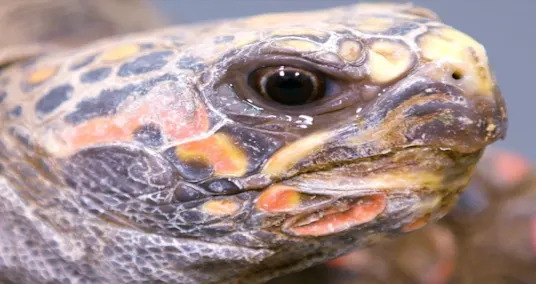
The radiated tortoise is one of the most striking reptiles on Earth, yet it is now facing a serious threat to its survival. Found only in the dry southern forests of Madagascar, this species has experienced a dramatic population decline over the past decade. Experts estimate that its numbers have dropped by nearly half, raising urgent concerns among conservationists. Known for its beautiful shell with bright yellow star patterns, the radiated tortoise is both visually unique and biologically remarkable. Its domed shell is not just protective but also sensitive, containing nerves and blood vessels that allow it to feel touch. These tortoises are also known for their exceptional longevity, with some individuals living well beyond a century. One recorded tortoise even reached an estimated age of 188 years, highlighting the species' long life cycle and slow reproduction rate. However, these same traits also make recovery from population loss extremely difficult, increasing the risk of extinction if current trends continue.
The primary drivers behind the decline of the radiated tortoise are human activities, particularly hunting and illegal trade. In parts of Madagascar, the tortoise is hunted for its meat, which is considered a delicacy despite legal protections. At the same time, its beautifully patterned shell has made it highly desirable in the illegal pet market. Conservation groups estimate that hundreds of thousands of these tortoises are removed from the wild each year, a rate that the population cannot sustain. The combination of poaching and trafficking has devastated natural populations and disrupted ecosystems where the species plays an important role. Without immediate intervention, experts warn that the radiated tortoise could face extinction within the next two decades. Conservation efforts are underway, focusing on habitat protection, stricter law enforcement, and raising awareness about the consequences of wildlife exploitation. The story of the radiated tortoise serves as a powerful reminder of how quickly human actions can threaten even the most resilient species. Protecting it will require global attention and long term commitment.
NEUESTE BEITRÄGE
- 1
 Brazil Passes Law to Use Seized Bitcoin, Crypto to Fund Public Security Measures26.03.2026
 - 25 Must-Attempt Fascinating Dishes from Around the World01.01.1
- 3New ‘Cloud-9’ object could reveal the secrets of dark matter08.01.2026
- 4AI is making spacecraft propulsion more efficient – and could even lead to nuclear-powered rockets24.11.2025
- 5Shredded cheese sold in dozens of states recalled due to potential for metal fragment contamination03.12.2025



Ähnliche Artikel
- Israel, Gulf states report fresh missile and drone attacks30.03.2026
- Rescuers give up hope for the humpback whale stranded in the Baltic Sea01.04.2026
- The most effective method to Settle on Informed Conclusions about Senior Insuranc.19.10.2023
- Charli xcx recorded original songs for 'Wuthering Heights' — what to know about the new album for Margot Robbie's film14.11.2025
- Fisherman Attacked by Great White Shark Says ‘My Left Foot Was in His Mouth’26.03.2026
- Sunken warship found off Danish coast after 225 years in ‘remarkable’ discovery02.04.2026
- Why this Iranian island looks like Mars after it rains17.12.2025
- Find the Historical backdrop of Common liberties: Advancing Equity and Equity Around the world14.07.2023
- Israel launches new wave of attacks against Hezbollah in Beirut27.03.2026
- An 'explosion' of solo-agers are struggling with rising costs and little support: 'I'm flying without a net'07.12.2025